Your rights as a UK shopper
Section 75 Credit Card Protection Explained
8 November 2026

Section 75 of the Consumer Credit Act 1974 makes your credit card provider equally responsible with the trader if something you bought goes wrong. It covers a single item with a cash price over £100 and up to £30,000, even if you only paid part of the cost on the card. If section 75 doesn't apply, chargeback may still get your money back.
Quick answer: Section 75 makes a credit card provider jointly liable with the trader for a breach of contract or misrepresentation, for single items costing over £100 and up to £30,000. You can claim the full cost even if you paid only part on the card. Chargeback is a separate card scheme process that can help with debit cards and smaller amounts.
Key Takeaways
Section 75 covers single items with a cash price over £100 and up to £30,000.
Paying even part of the cost on a credit card can let you claim the whole amount.
Buying through a third party, such as a marketplace or PayPal, usually rules section 75 out.
Chargeback isn't a law, but it can help with debit card payments.
If your card provider says no, you can go to the Financial Ombudsman Service.
How section 75 works
Under section 75, if you have a claim against a trader for misrepresentation or breach of contract, you have the same claim against the credit card provider. The law makes them jointly and severally liable, so you can ask the card provider to put things right if the trader won't or can't, for example because it has stopped trading.
A breach of contract includes goods that are faulty or not as described, and goods or services that never arrive. Our guide to your rights when goods are faulty explains the standards that goods must meet.
The £100 to £30,000 rule
The limits apply to the cash price of a single item, not to the whole order. Citizens Advice gives the example of an order of a phone at £80, headphones at £20 and £5 delivery: the total is over £100, but no single item is, so section 75 doesn't apply.
It works the other way too. If you pay a deposit on a credit card and the rest in cash, you can claim for the full cost of the item, not just the deposit, as long as its price is within the limits.
Section 75 | Chargeback | |
|---|---|---|
What it is | A legal right under the Consumer Credit Act 1974 | A process under card scheme rules |
Which cards | Credit cards | Debit, charge and credit cards |
Amount | Single items over £100 and up to £30,000 | No fixed legal limits |
What you can get back | The full cost, and sometimes losses caused | Only what you paid on that card |
If it's refused | Financial Ombudsman Service | Ask your card provider why, then possibly the Ombudsman |
When section 75 usually doesn't apply
Section 75 needs a direct link between you, the card provider and the trader. Citizens Advice says you usually can't use it if you paid through a third party rather than the trader itself, such as:
An online marketplace where you buy from other sellers
A voucher site, where you buy a voucher to spend with another business
A payment wallet like PayPal, where you pay into an account and then pay from it
A travel agent
You can still ask, but the card provider may refuse. Chargeback is the fallback.
Chargeback for debit cards
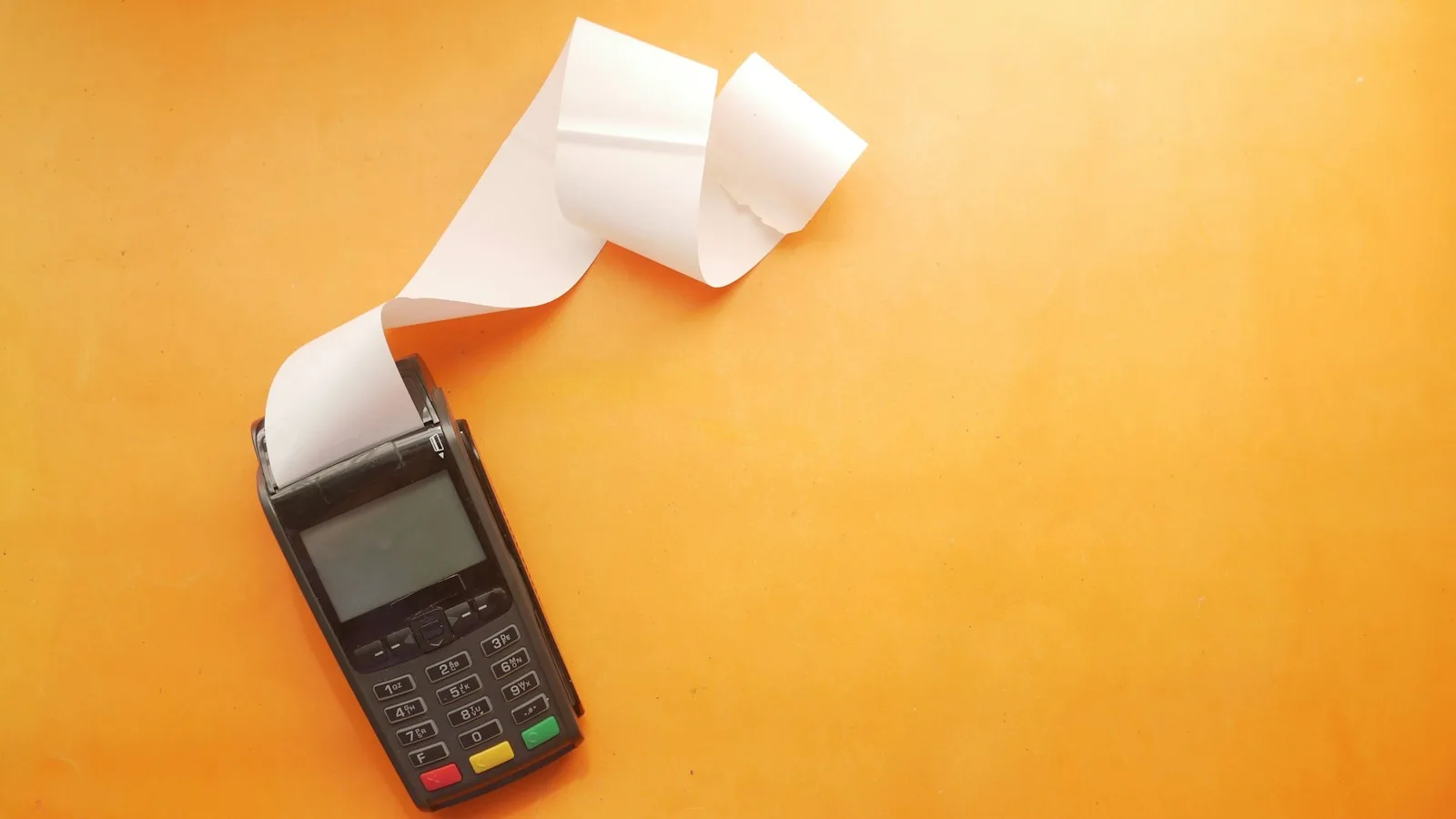
Chargeback isn't a law. It's a process run under card scheme rules, and your card provider may call it a disputed transaction. It's the route to use if you paid by debit or charge card, or by credit card when section 75 doesn't cover the purchase.
With chargeback, you can only get back what you paid on that card. The trader can also challenge a chargeback after you've had the money, so Citizens Advice suggests keeping the money to one side for a few weeks in case the challenge succeeds.
If you cancelled an online order and the refund hasn't arrived, check the deadlines in our guide on how to return something you bought online before you contact your card provider.
How to make a claim
Contact the trader first and follow its complaints process.
If it won't help, write to your card provider and say you're making a section 75 claim, or asking for a chargeback.
Say what went wrong and what you want back, and include your evidence: the order, receipts, photos and your messages with the trader.
Keep copies of everything you send.
Under section 75 you can ask for the cost of the goods or a repair, and in some cases the cost of damage the problem caused. Citizens Advice gives the example of a faulty washing machine that damages a floor.
If your card provider says no
If a section 75 claim fails, you can ask the Financial Ombudsman Service to look at it. If a chargeback fails, ask your provider whether it appealed. If it refused to appeal, you can complain to the Ombudsman. Citizens Advice notes that you still might not get your money back.
The National Cyber Security Centre recommends paying by credit card when you shop online, because many credit card payments are protected under the Consumer Credit Act. Our guide on how to spot a fake shopping website covers the other checks to make.
For a summary of the law, see our guide to your shopping rights.
Common questions
Does section 75 cover buy now, pay later?
Citizens Advice says that if you paid with a credit card or buy now, pay later, you should ask for your money back using section 75, as long as the single item costs more than £100 and no more than £30,000. Check with the provider how it handles claims.
Does section 75 cover delivery charges?
The limits are based on the cash price of a single item, so a delivery charge doesn't lift a cheaper item over £100.
Can I use section 75 with a debit card?
No. Section 75 applies to credit agreements such as credit cards. With a debit card, ask your bank for a chargeback instead.
What if I split the payment between two credit cards?
Citizens Advice says you can only get a section 75 refund from one card provider, so choose one and claim from it.